
Introduction
Ergonomic furniture design has come a long way from its origins. Initially focused purely on function, modern ergonomic furniture seamlessly blends comfort with aesthetics, enhancing both health and productivity. This article explores the evolution of ergonomic furniture design, highlighting key innovations, contemporary designs, and the principles that underpin this field.
The Principles of Ergonomics
Ergonomics, derived from the Greek words "ergon" (work) and "nomos" (natural laws), is the science of designing equipment that fits the human body and its cognitive abilities. The goal is to reduce discomfort and increase efficiency by considering how people interact with their environments. Early ergonomic designs were rudimentary, prioritizing function over form. However, as our understanding of human physiology and psychology has grown, so too has the sophistication of ergonomic furniture.
Key Innovations in Ergonomic Furniture Design
Ergonomic furniture has undergone significant transformations over the years, driven by both technological advancements and a deeper understanding of human needs.
Adjustable Chairs
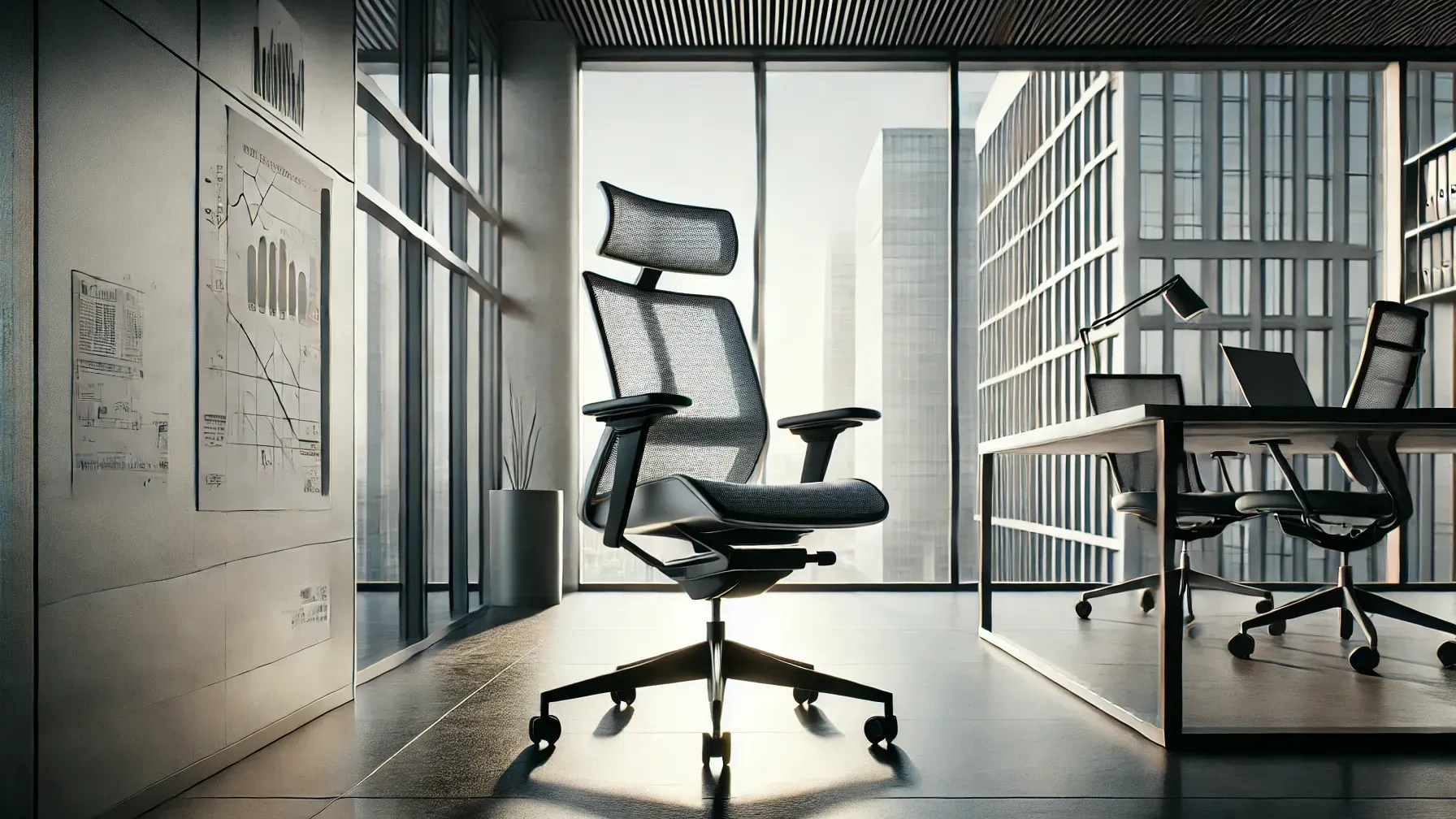
The introduction of adjustable chairs marked a significant milestone in ergonomic furniture design. These chairs are designed to support the natural curve of the spine, reducing strain on the back and improving posture. Modern examples include the Aeron chair by Herman Miller, known for its adjustable settings and breathable mesh material.
Sit-Stand Desks
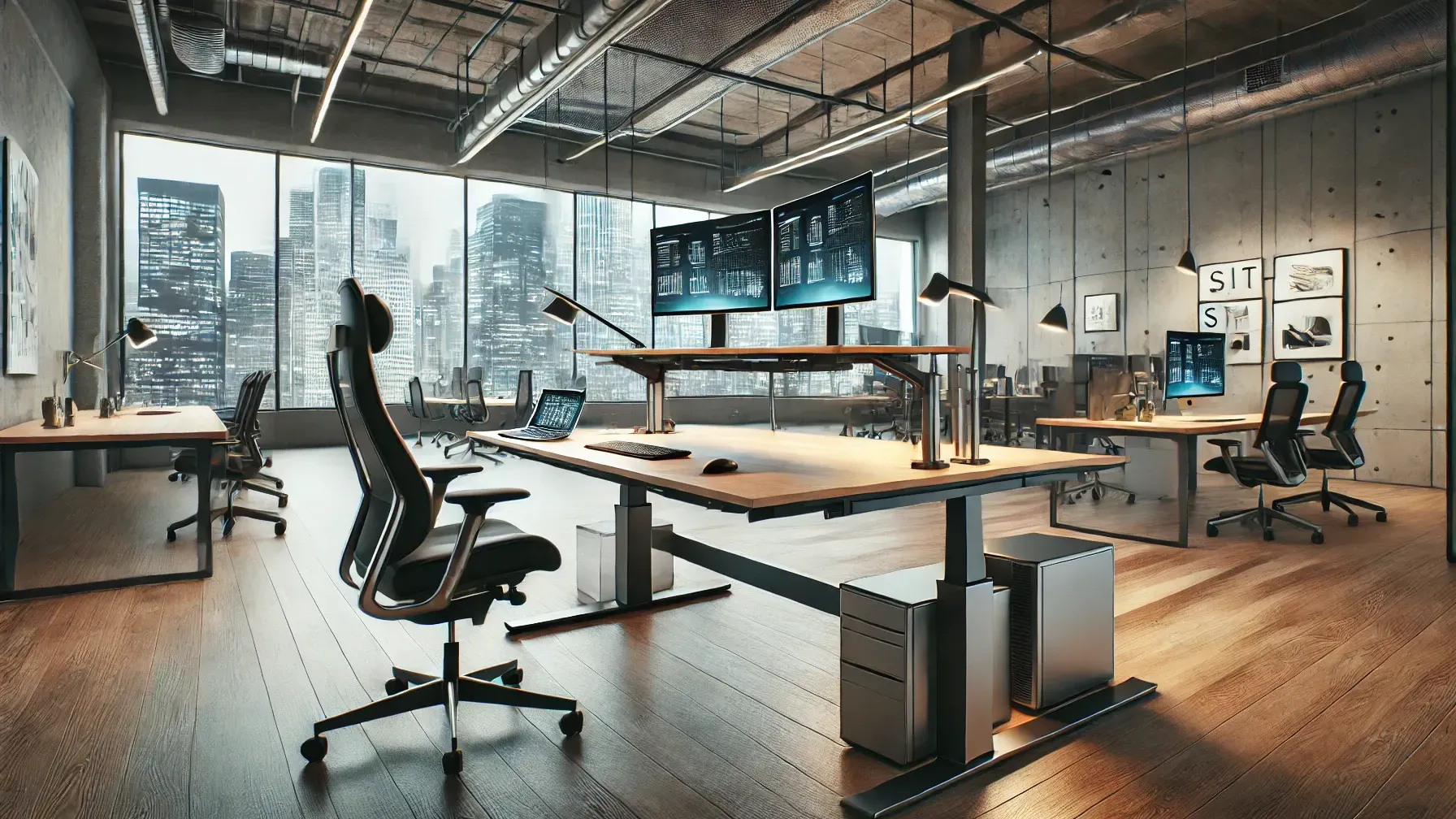
With growing awareness of the health risks associated with prolonged sitting, sit-stand desks have become increasingly popular. These desks allow users to alternate between sitting and standing, promoting better circulation and reducing the risk of musculoskeletal disorders.
Ergonomic Keyboards and Mice
Beyond furniture, ergonomic principles have been applied to accessories like keyboards and mice. Designs such as the split keyboard and vertical mouse help minimize strain on the wrists and hands, catering to the needs of individuals who spend long hours on computers.
Integrated Technology
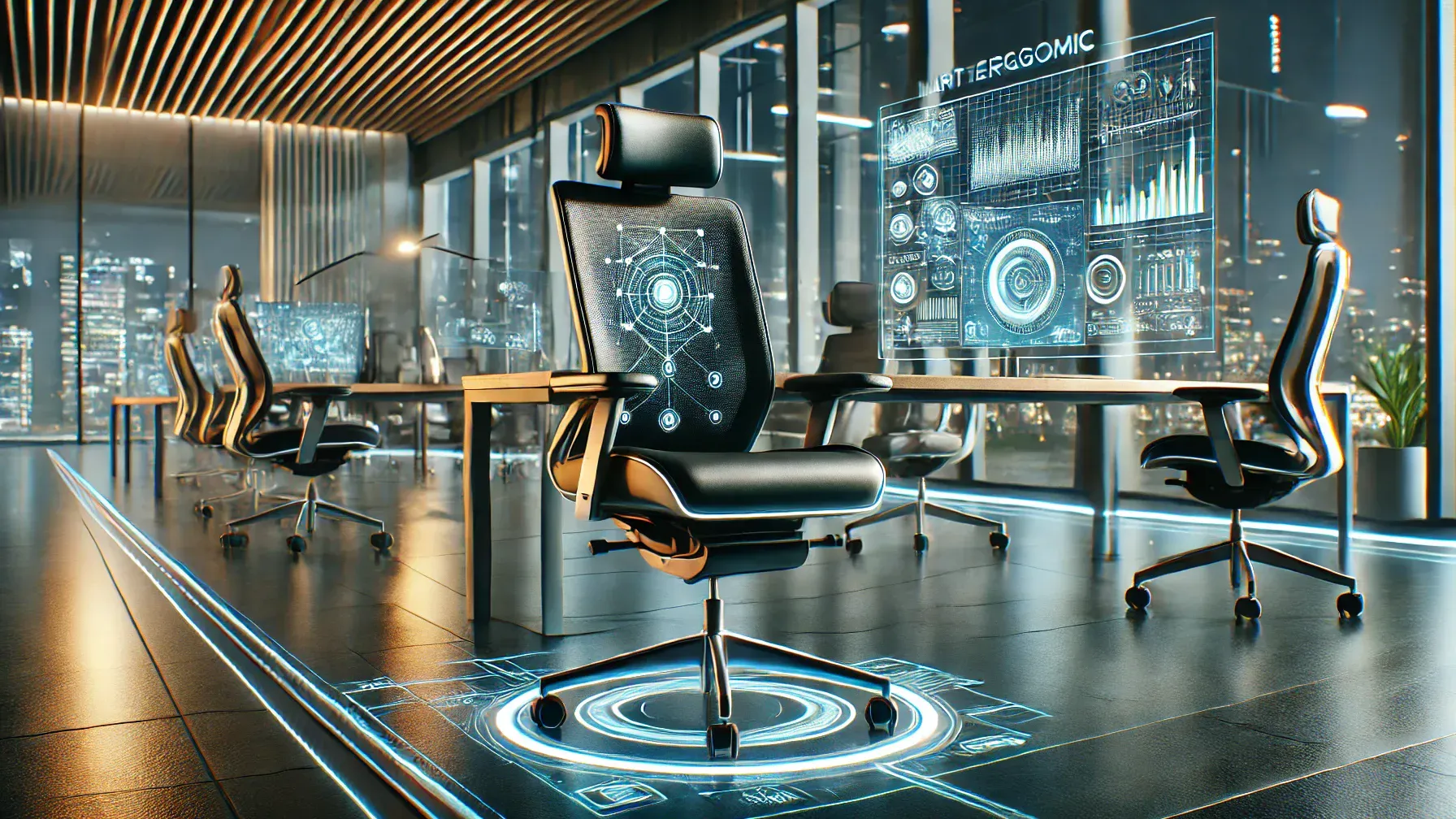
Modern ergonomic furniture often incorporates technology to enhance user experience. For instance, smart chairs equipped with sensors can monitor posture and provide feedback, helping users maintain healthy sitting habits.
Notable Contemporary Designs
Several contemporary designs exemplify the successful fusion of ergonomics and aesthetics.
Ross Didier's Collections
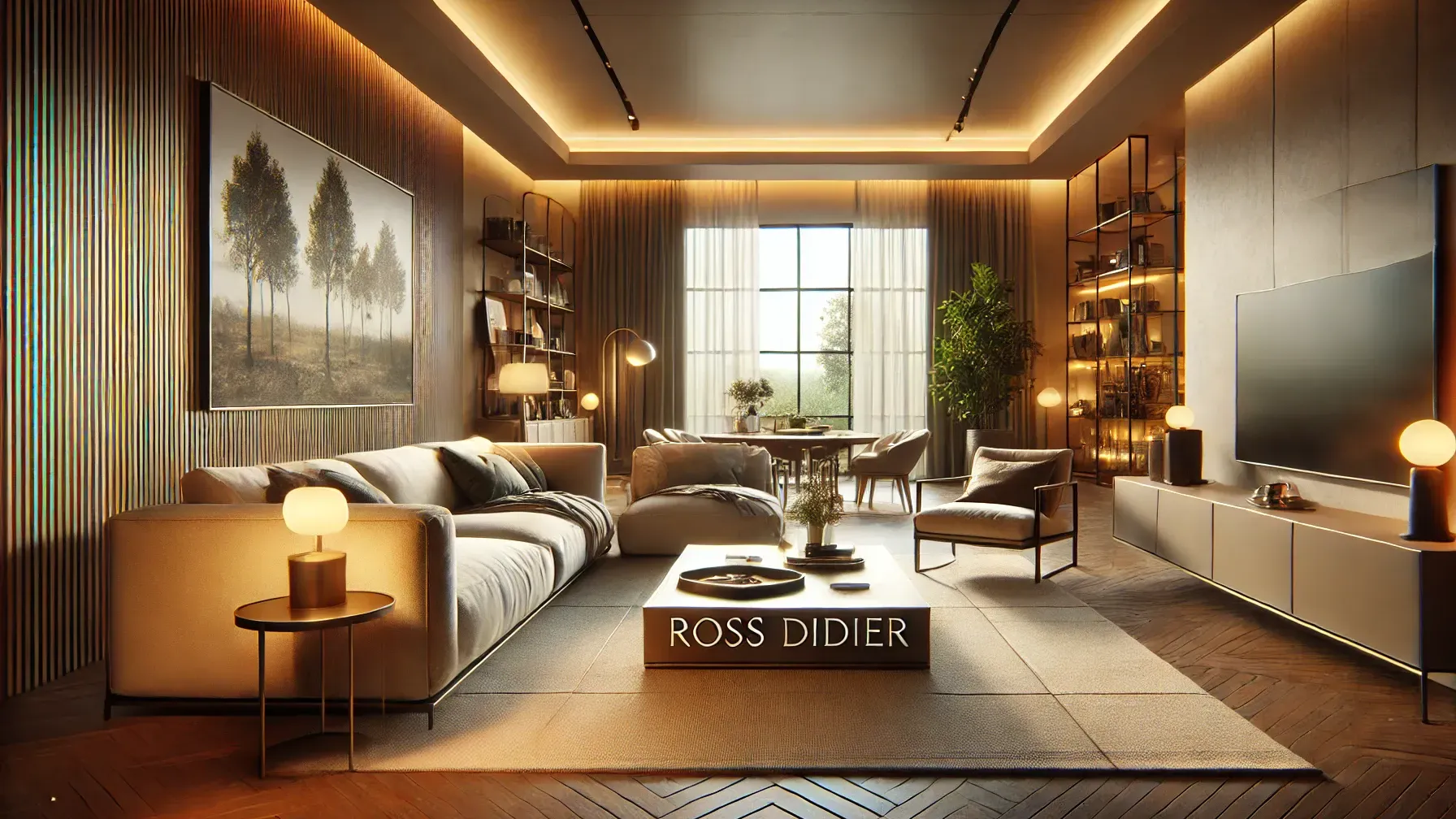
Ross Didier’s furniture collections, such as the Fable collection, draw inspiration from folk tales and historical narratives. His designs focus on creating furniture that evokes emotional responses while maintaining functionality. Didier’s work emphasizes the importance of aesthetic appeal alongside ergonomic benefits[Est Living: Ross Didier Interview].
Todd Bracher’s Trea Chair
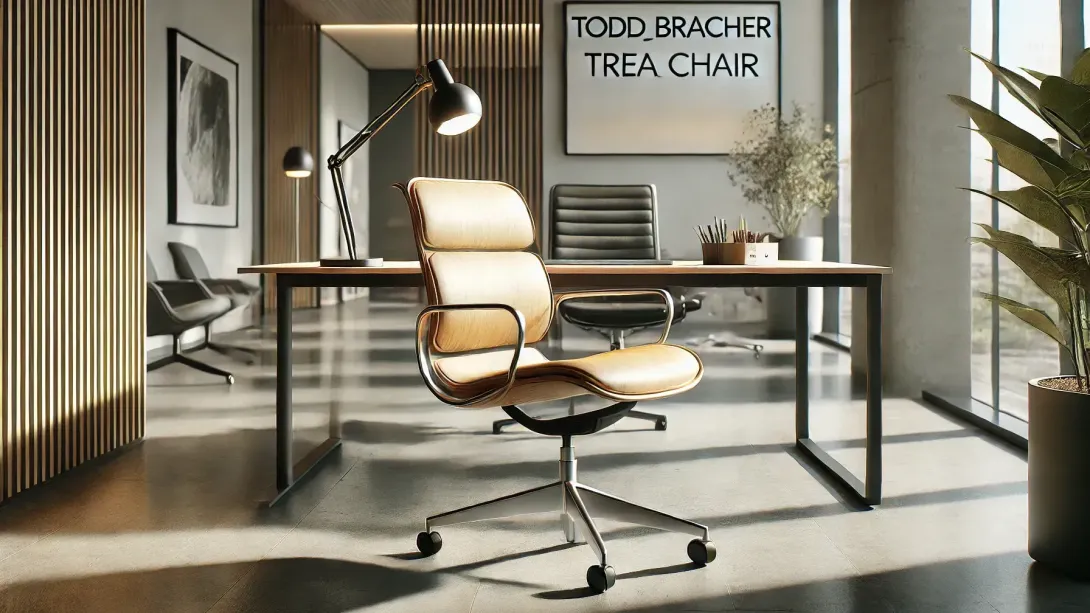
The Trea chair, designed by Todd Bracher, is a notable example of ergonomic innovation. This chair adapts to the user’s body weight without the need for manual adjustments, offering both comfort and elegance. Bracher’s approach highlights the importance of integrating sustainability into ergonomic design, using materials that are easy to recycle and free from harmful chemicals[Floornature: Todd Bracher Interview].
Aaron Poritz’s Tambour Credenza
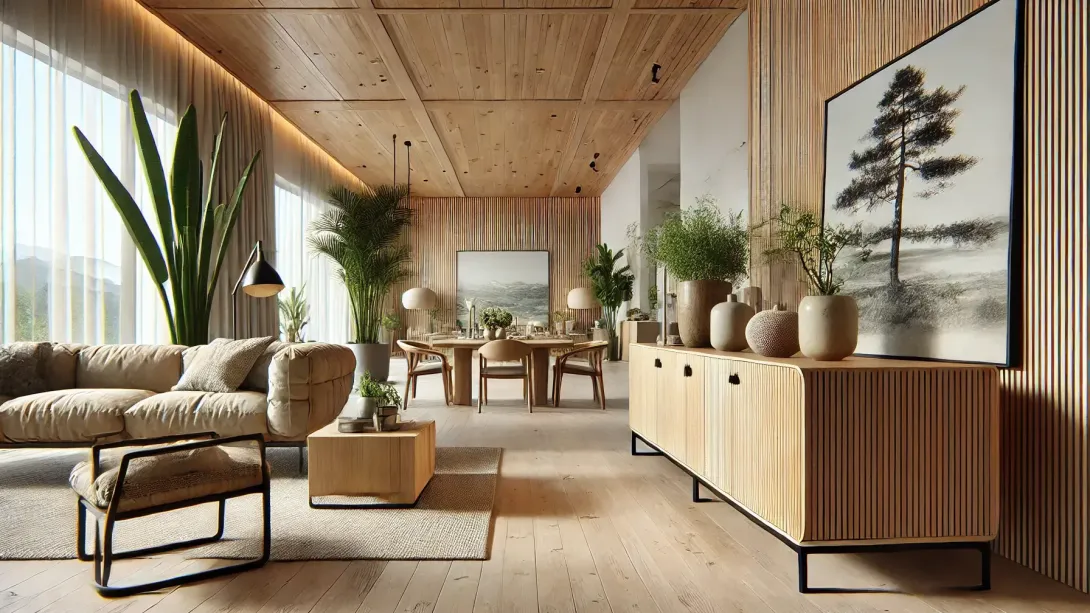
Aaron Poritz’s Tambour Credenza reimagines the traditional tambour door system, showcasing the beauty of natural materials. Poritz’s architectural background influences his furniture design, emphasizing durability and timeless aesthetics[Décor Aid: Aaron Poritz Interview].
The Impact on Health and Productivity
Ergonomic furniture significantly impacts health and productivity by reducing the risk of work-related musculoskeletal disorders (WMSDs) and improving overall well-being. Proper ergonomic design can help alleviate common issues such as back pain, neck strain, and carpal tunnel syndrome. Moreover, a comfortable and supportive work environment can enhance focus, reduce fatigue, and boost productivity.
Future Trends in Ergonomic Furniture Design
The future of ergonomic furniture design looks promising, with a strong focus on sustainability and the integration of advanced technology. Designers are increasingly considering environmental impact, using eco-friendly materials and sustainable manufacturing processes. Additionally, the rise of smart furniture, equipped with IoT (Internet of Things) technology, offers new possibilities for creating adaptive and personalized ergonomic solutions.
How Does That Sound for an Innovative Approach?
The evolution of ergonomic furniture design illustrates the harmonious blend of comfort and aesthetics. As designers continue to innovate, the future of ergonomic furniture promises to enhance our well-being and productivity. With these developments, we're tuning into a new era of design—how does that resonate with you?