
What Are Edible Landscapes?
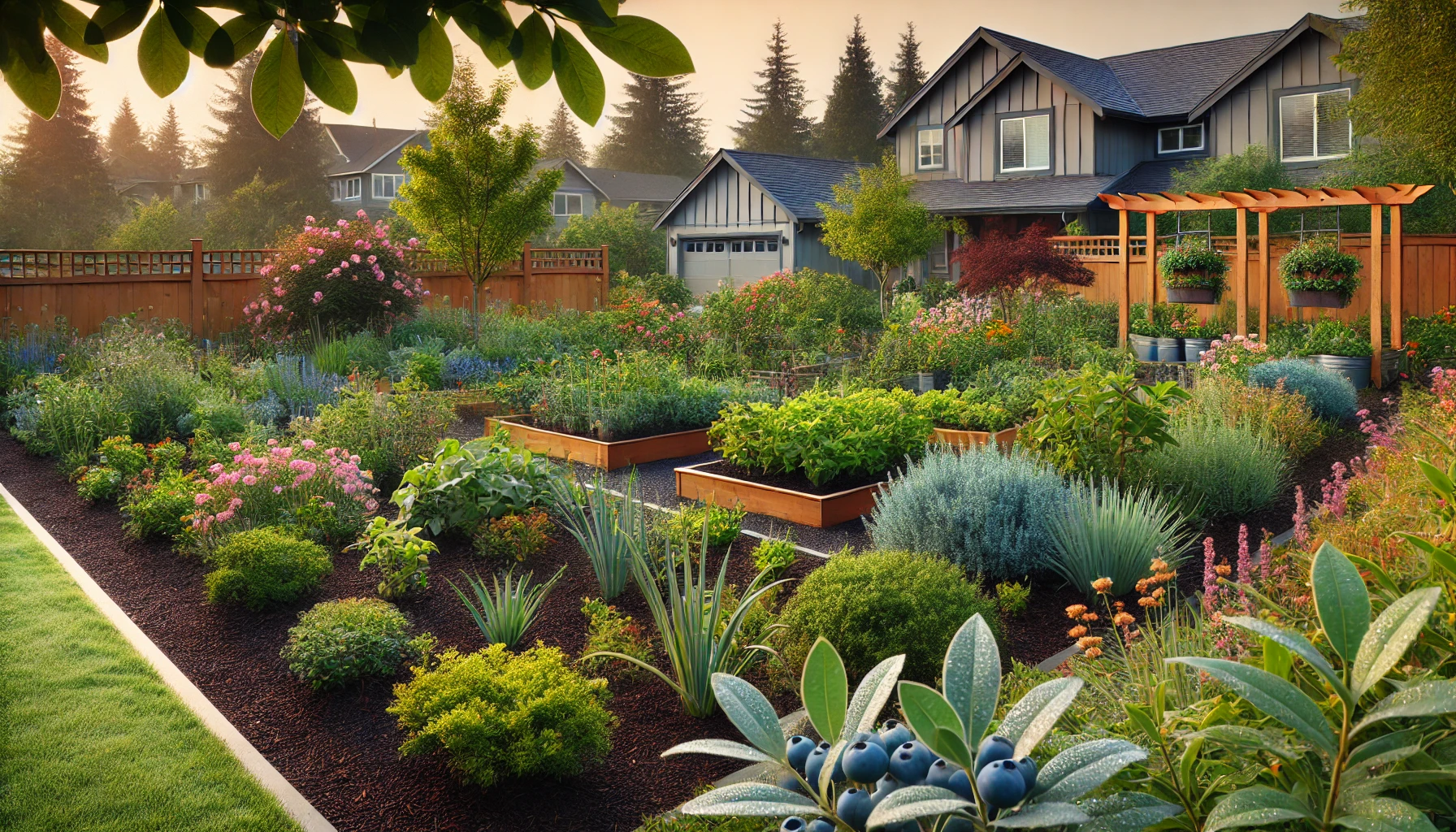
Edible landscapes are thoughtfully designed green spaces that incorporate fruits, vegetables, herbs, and other food-producing plants into urban and residential settings. These landscapes blur the line between ornamental and functional gardening, proving that sustainability doesn’t have to compromise aesthetics. From lush herb spirals in public parks to vibrant berry bushes lining walkways, edible landscapes are a testament to creative design and ecological mindfulness.
Environmental Benefits
Edible landscapes contribute significantly to urban ecosystems. By integrating a variety of plants, they promote biodiversity and provide habitats for pollinators such as bees and butterflies. Additionally, these green spaces combat urban heat islands—areas where concrete and asphalt significantly raise temperatures—by providing shade and cooling through transpiration.
Another key benefit is soil health. Unlike monoculture lawns, edible landscapes often include a diverse array of plants that can improve soil fertility and prevent erosion. The addition of organic matter from composted food waste or fallen leaves further enriches the soil, creating a self-sustaining cycle.
Social and Community Impacts
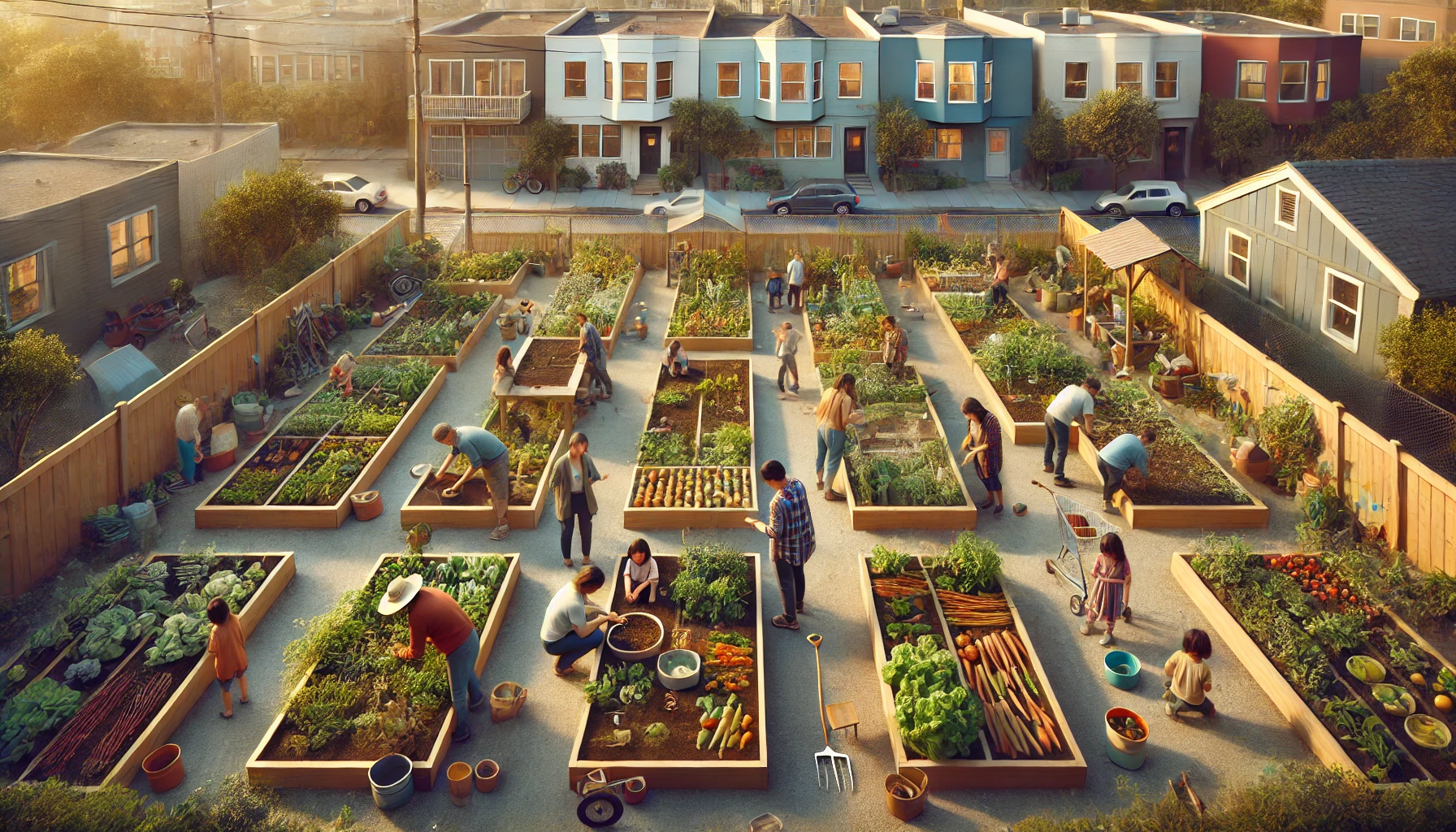
Beyond their environmental value, edible landscapes have a profound social impact. They encourage community engagement by transforming underutilized spaces into shared gardens. These gardens often serve as educational hubs where residents can learn about sustainable practices, nutrition, and food sovereignty.
Moreover, edible landscapes address urban food insecurity by providing fresh, locally grown produce. In areas where access to affordable, nutritious food is limited, these landscapes act as a lifeline, reducing dependence on long supply chains and mitigating the carbon footprint associated with food transportation.
Practical Tips for Creating Edible Landscapes
Start Small
For urban homeowners or renters, a small garden can be an ideal starting point. Consider planting compact, dual-purpose plants such as dwarf fruit trees, which provide shade and delicious harvests. Vertical gardens and container gardening are also excellent options for maximizing space.
Blend Aesthetics with Functionality
To maintain visual appeal, mix edible plants with ornamental species. For example, colorful Swiss chard and kale can serve as striking focal points, while trailing nasturtiums add vibrancy and are also edible.
Choose Native and Climate-Appropriate Plants
Selecting plants suited to the local climate ensures resilience and reduces the need for excessive watering or pest control. Native species are often more resistant to local pests and diseases, reducing the need for chemical interventions.
Design for Accessibility
When planning an edible landscape in a public or shared space, prioritize accessibility. Raised beds and wide paths accommodate individuals with mobility challenges, ensuring inclusivity.
Incorporate Water Management Techniques
Sustainable water practices such as rainwater harvesting or drip irrigation systems can enhance the efficiency of edible landscapes, reducing water usage and supporting healthy plant growth.
A Vision for the Future
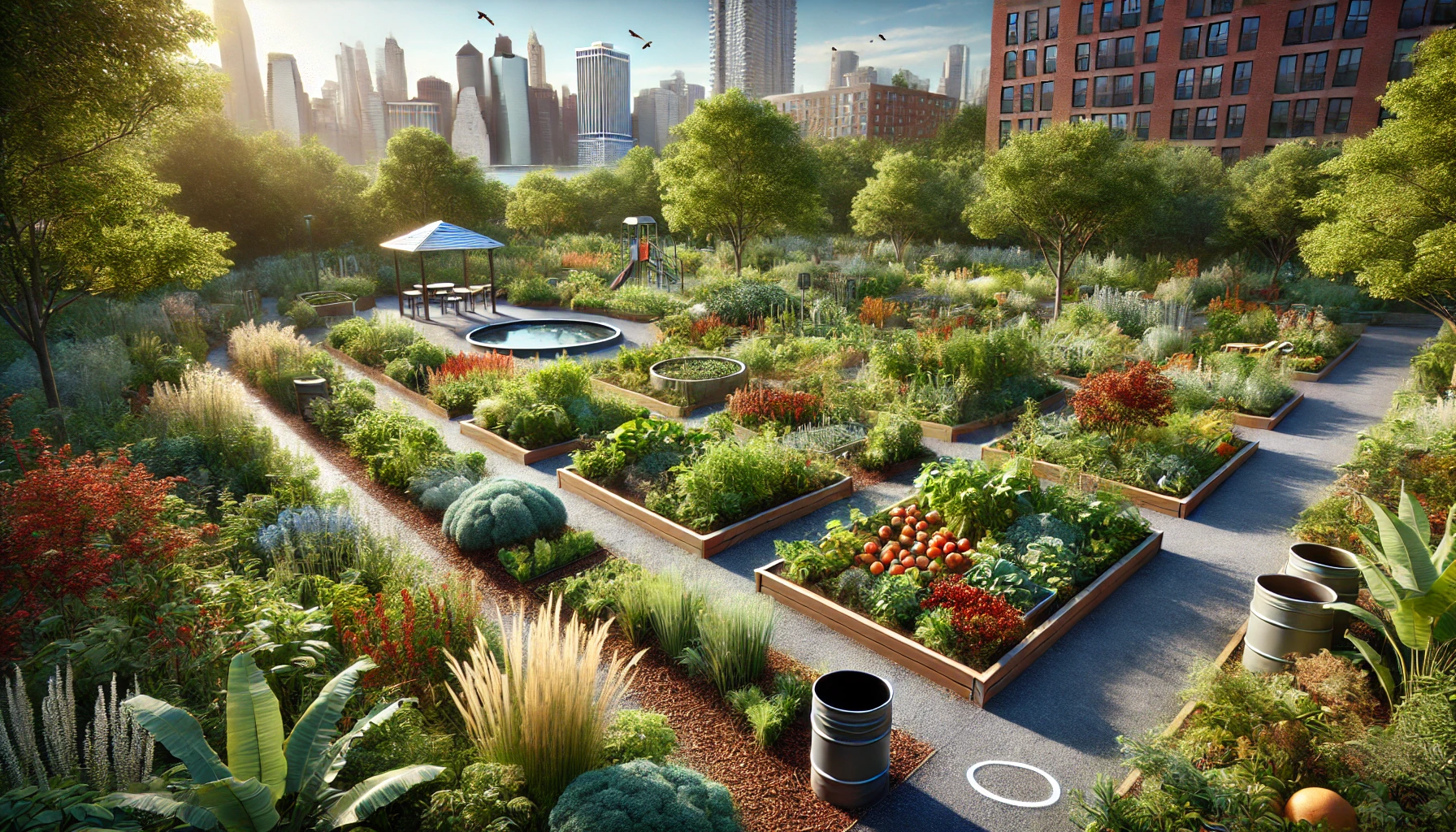
As cities continue to expand, edible landscapes represent a harmonious blend of utility and beauty, addressing some of the most pressing challenges of urban living. They offer a pathway to more resilient communities by enhancing food security, fostering social bonds, and mitigating the environmental impacts of urbanization.
The trend of edible landscaping is more than just a fleeting idea; it is a growing movement that reflects a deeper understanding of the connection between people and the land they inhabit. By embracing this concept, we can envision a future where cities are not only sustainable but also vibrant and nourishing.
References
Edible Landscaping: Urban Food Gardens – A Complete Guide
Urban Food Forests: Edible Landscaping for Cities
Incorporating Edible Landscaping In Urban Public Spaces
Edible Landscaping: Urban Food Gardens That Look Great – Benefits, Planning, and More