
Introduction
The convergence of artificial intelligence (AI) and sustainable architecture marks a new era in urban development. By harnessing advanced technologies, architects and designers are redefining how buildings are conceived, constructed, and maintained. From optimizing energy usage to selecting eco-friendly materials and deploying adaptive smart systems, AI is driving significant innovation. This article explores the transformative impact of AI on sustainable architecture through real-world applications and case studies.
Revolutionizing Energy Efficiency with AI
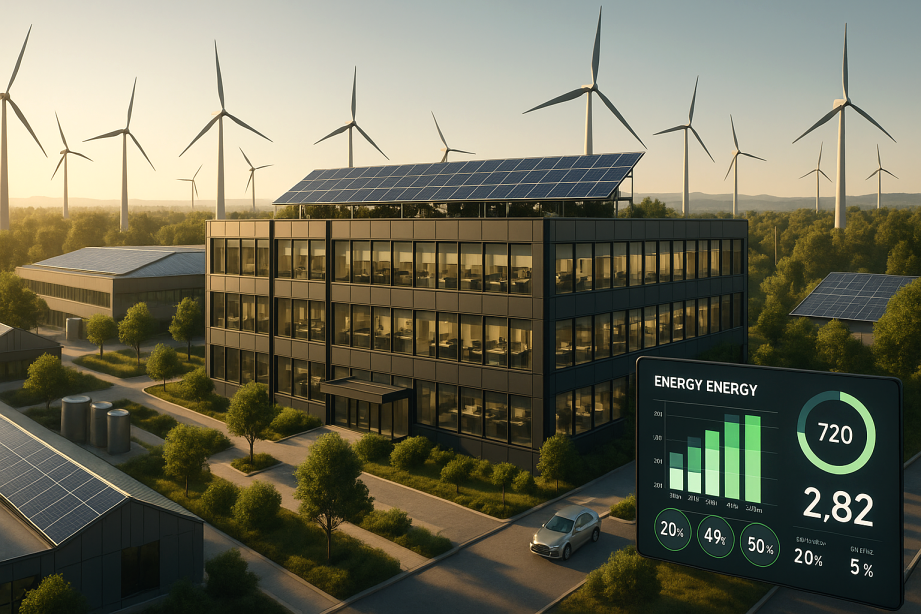
Energy efficiency is central to sustainable architecture, and AI is playing a transformative role. Through predictive modeling, architects can now simulate energy consumption during the design phase, ensuring maximum efficiency from the start. AI tools analyze local weather patterns, occupancy trends, and energy demands to optimize design decisions that minimize carbon footprints.
Platforms like Autodesk’s Insight 360 provide architects with detailed guidance on insulation, glazing, and ventilation strategies. Additionally, AI-integrated smart grids allow dynamic energy management, adjusting usage based on real-time demand and renewable energy availability.
Innovating Sustainable Material Selection with AI
Choosing the right materials is critical for creating truly sustainable buildings. Traditionally based on manual research or instinct, material selection has been revolutionized by AI. Today’s tools analyze lifecycle assessments, environmental impact, durability, and recyclability to recommend the most sustainable options.

Platforms like Sustaira help architects incorporate green materials, such as bio-composites and self-healing concrete, into their projects. AI continuously updates material databases with new innovations, ensuring designs remain cutting-edge and environmentally responsible.
Enhancing Building Intelligence with Adaptive Smart Systems
AI-powered smart systems are transforming buildings into living, adaptive ecosystems. By processing data from sensors and IoT devices, these systems autonomously adjust heating, lighting, and ventilation to maximize efficiency and comfort.
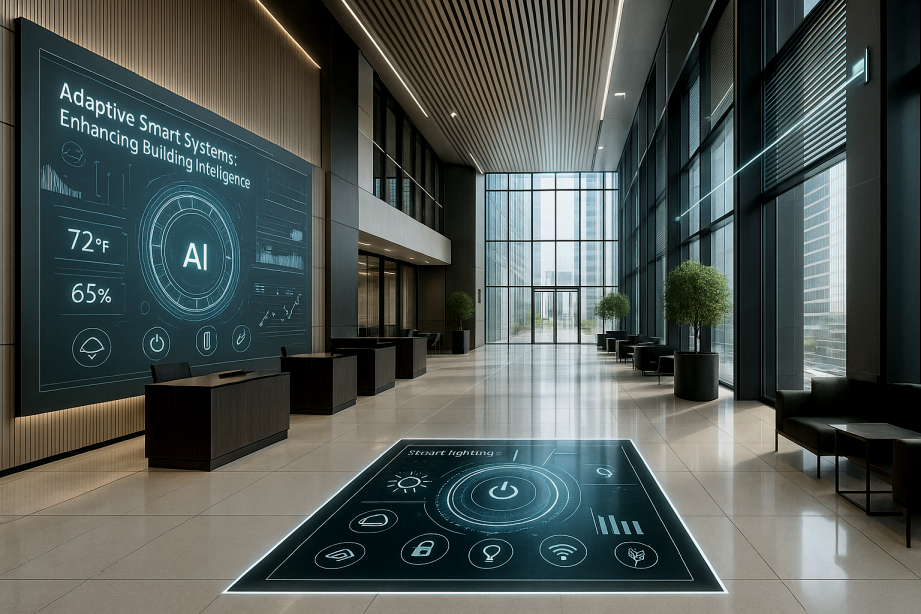
Singapore’s Marina One development offers a powerful example, where AI-driven building management systems adapt operations in real-time based on occupancy levels and weather conditions. Such smart environments not only reduce resource consumption but also create healthier, more comfortable spaces for occupants.
Real-World Examples of AI-Driven Sustainability
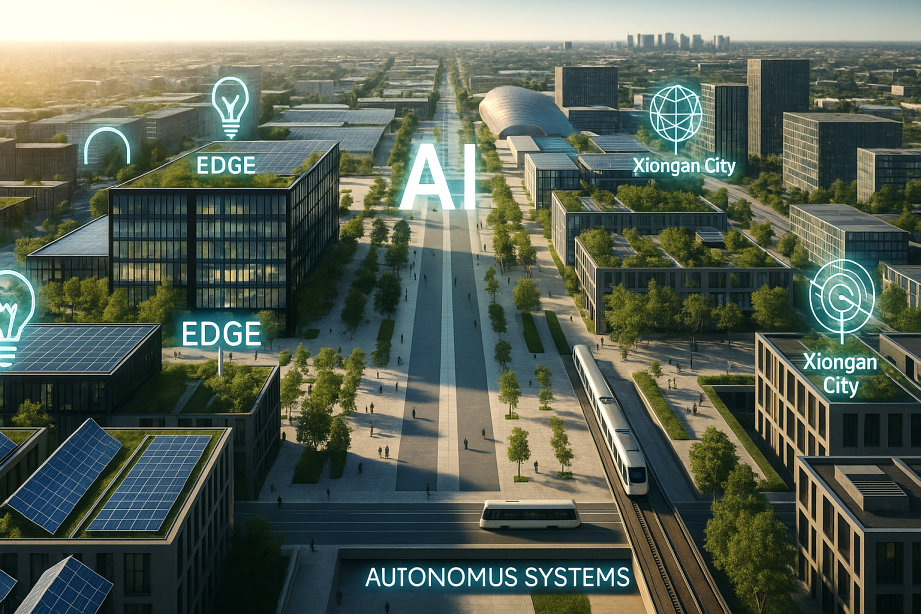
Several pioneering projects showcase the real-world potential of AI in sustainable architecture. The Edge in Amsterdam, often cited as the world’s greenest office building, uses AI to optimize energy use and workspace management through an extensive sensor network.
Meanwhile, China’s AI City in Xiongan integrates AI across its infrastructure, from predictive design modeling to autonomous waste management. These projects highlight how AI can be scaled beyond individual buildings to entire smart cities focused on sustainability.
Navigating the Future: Opportunities and Challenges
While AI offers immense potential for sustainable architecture, challenges remain. Issues such as data privacy, high implementation costs, and the need for specialized expertise must be addressed. Nevertheless, emerging technologies like blockchain and quantum computing may offer new opportunities for overcoming these barriers.
Collaborative efforts between architects, technologists, and policymakers will be essential to fully realize AI’s potential in creating greener cities. By embracing innovation and overcoming these hurdles, the architecture industry can lead the charge toward a more sustainable future.
Conclusion
AI is redefining the landscape of sustainable architecture, offering powerful tools to optimize energy efficiency, material selection, and building intelligence. As architects integrate these technologies, they pave the way for resilient, eco-friendly urban environments that combat climate change and improve quality of life.
The fusion of AI innovation and sustainable design signals a bold, promising step toward greener, smarter cities. By embracing this new paradigm, we are building not just structures, but a future rooted in environmental stewardship and intelligent design.